
The Domos Report Vol. 4
THE DOMOS REPORT
The Domos Report | Fourth Edition | 10/2024

GREETINGS FROM SUZANNE!
CO-OPS 101
When purchasing a home, there are many important factors in the decision-making process:
neighborhood;
type of property;
budget;
schools (if applicable)
With a city as vibrant and diverse as Chicago, it can be hard to decide where to begin. Some of our city’s most overlooked and often misunderstood buildings are co-ops. As the "Queen of Chicago Co-ops," let me break it down for you!

What is a co-op?
Located in Chicago’s Gold Coast, Lincoln Park, Lakeview, and Hyde Park neighborhoods are the city’s finest vintage pre-War and Art Deco buildings; many are co-ops, short for "cooperatives." Co-ops were the earliest form of apartment ownership developed in the 1920s, predating today’s condominium-style ownership. Instead of purchasing a physical apartment, a co-op buyer purchases shares of stock in a legal entity, typically a corporation, that owns real estate. The buyer’s shares of stock entitle them to occupy a specific apartment. With a stock certificate, they are given a proprietary lease.
How Co-Ops Work
The board must approve potential co-op buyers to confirm they can purchase the home. To be approved, buyers must provide a detailed credit report, execute a financial statement with a net worth balance sheet, and provide business and personal references. Some co-ops also require tax return documents.
Historically, co-ops required buyers to purchase their share in cash, but today, many now allow financing. Co-op loans are a bit more complicated, and sometimes the buildings require specific lenders.
Lenders require a ‘recognition agreement’ acknowledging the co-op’s rights. The IRS recognizes the mortgage deduction as ‘real estate,’ not a stock purchase. Once the co-op board has received and reviewed the buyer’s application, an interview is scheduled, and the buyer is more than likely to be officially approved.
Monthly assessments tend to be higher in co-ops than in condos because real estate taxes are wrapped into the assessment fees. Owners pay a proportional share of the total bill based on the number of shares they own. Assessments can include a mortgage or line of credit. Co-ops can pledge the building as collateral and obtain a mortgage that funds capital improvements over a long period. Getting a loan is the preferred method for such improvements, as the co-op’s mortgage is deductible to the shareholder and is spread over a more extended period. Monthly assessments typically include heat, gas, parking, and a high level of service, with many having on-site property managers, live-in engineers, and more, making ownership easier for the buyer.

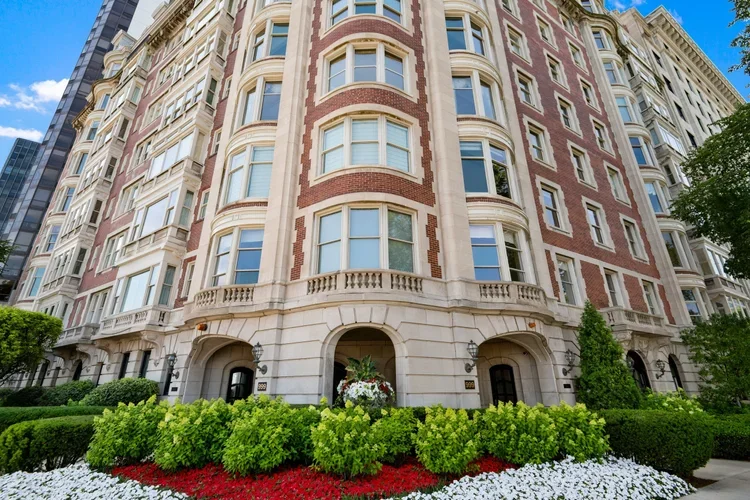
BENEFITS OF CO-OP OWNERSHIP
In recent years, the co-op environment has changed. Many co-ops have evolved and are making the process more accessible, offering transparency and privacy every step of the way. Buying a co-op gives owners a unique opportunity to invest in some of the city’s most historic, grandest buildings at a great value, especially now.
We have seen a resurgence in co-op property sales in the last few years. In addition to making the process more user-friendly, many co-ops have significantly improved their structures and offerings, like renovations to the guts of the buildings, such as new windows, risers, and elevators, and new amenities like gyms, roof decks, and more.
Since most co-ops are historic buildings, tax freezes can be applicable, allowing discounted real estate taxes for owners. With new amenities, updated structures, better processes, and lower prices, co-ops are becoming more popular than ever before and an attractive investment opportunity.
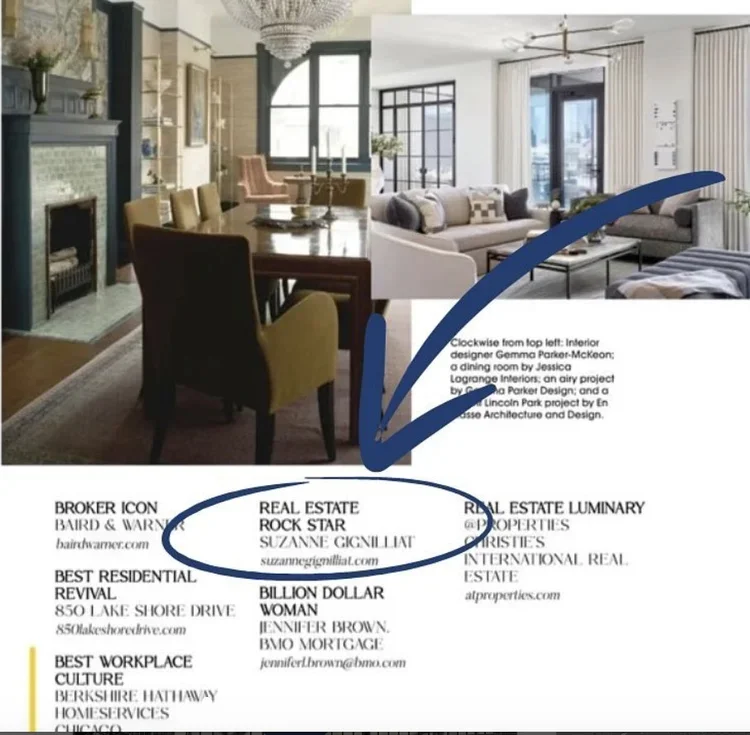
Chicago Social Recognition
In Chicago Social, I was voted a Real Estate Rock Star. I can’t sing or play the guitar but I can sell your house!
Next Month:
National Association of Realtors legal settlement offer and what that means for buyers and sellers. Stay tuned!
“We couldn’t have asked for a better agent moving to Chicago. Suzanne knew everything about everything-- from real estate to schools to kids’ classes to the hair stylist I should see- she’s truly FULL SERVICE plus very smart and fun to work with on our purchase.”
-LG, Lakeview
“Suzanne is a gem of a realtor and now is a friend as well. Through the high stress process of selling, she held our hand, gave great advice, was always available for a chat, and was a tough negotiator. We can’t thank her enough!”
-BT, Lincoln Park